
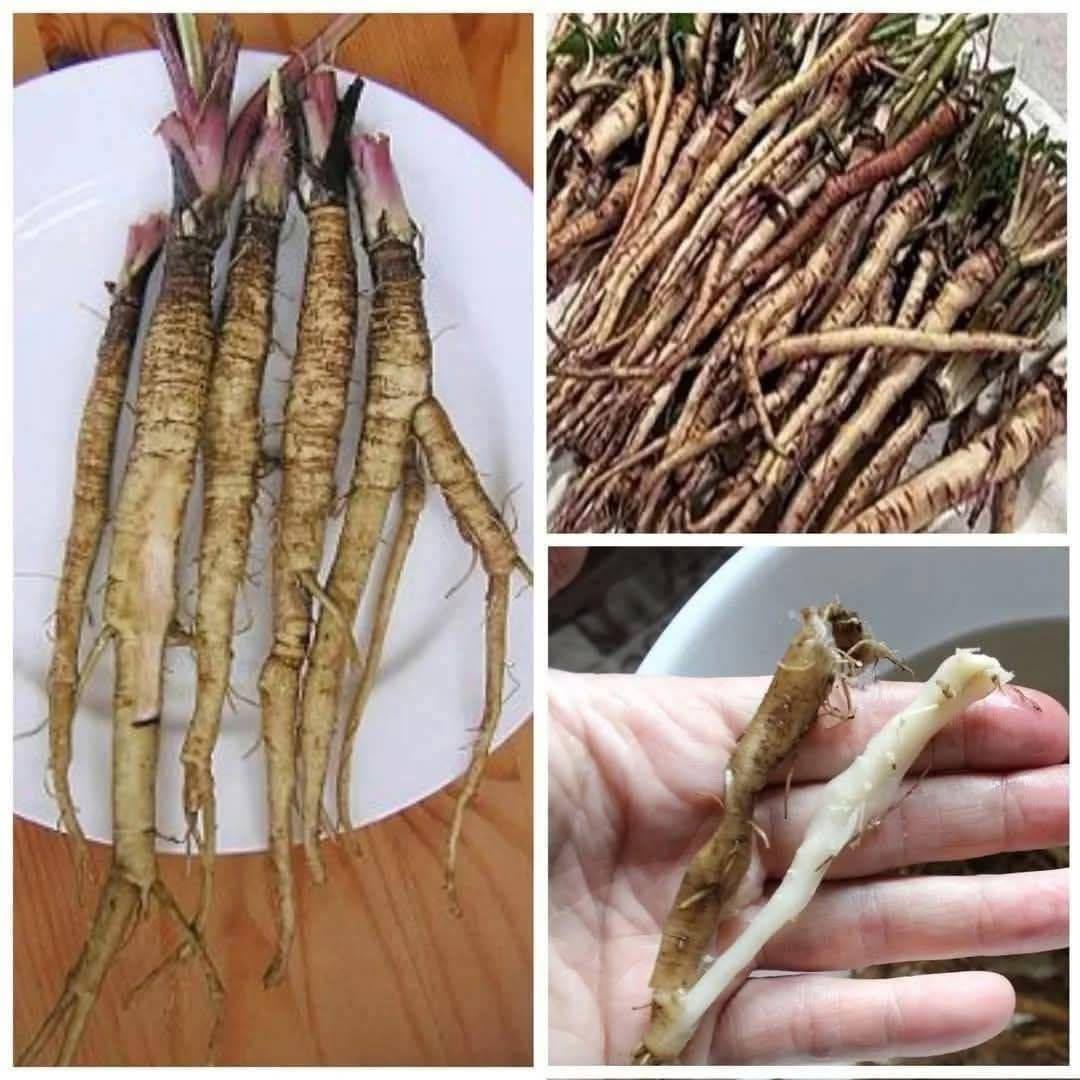
The root, in particular, is a dense source of antioxidants, anti-inflammatory agents, and phytochemicals that facilitate detoxification. When administered as an infusion or syrup, these elements may assist the body in regulating inflammation and bolstering immune function, thereby creating an internal environment less hospitable to the proliferation of abnormal cells.
Fueling the public conversation are poignant personal accounts, such as that of 72-year-old John DiCarlo. After undergoing several rounds of conventional treatments without achieving a lasting remission, DiCarlo integrated dandelion root tea into his daily regimen.
Over the ensuing months, he reported a gradual and significant improvement in his energy levels and overall sense of well-being. While a single anecdotal account cannot be equated to rigorous medical evidence, stories like DiCarlo’s underscore the reason why clinicians are increasingly eager to move this research into broader study.
It is, however, a point of critical importance to emphasize that dandelion root is not a substitute for professional oncological care. Individuals grappling with serious illness must remain in close consultation with their healthcare providers before altering any treatment protocols.
Nevertheless, the burgeoning interest in the dandelion reflects a larger paradigm shift toward integrative health—a field where natural compounds are rigorously studied as supportive instruments intended to complement, rather than compete with, conventional medicine.
The root, in particular, is a dense source of antioxidants, anti-inflammatory agents, and phytochemicals that facilitate detoxification. When administered as an infusion or syrup, these elements may assist the body in regulating inflammation and bolstering immune function, thereby creating an internal environment less hospitable to the proliferation of abnormal cells.
Fueling the public conversation are poignant personal accounts, such as that of 72-year-old John DiCarlo. After undergoing several rounds of conventional treatments without achieving a lasting remission, DiCarlo integrated dandelion root tea into his daily regimen.
Over the ensuing months, he reported a gradual and significant improvement in his energy levels and overall sense of well-being. While a single anecdotal account cannot be equated to rigorous medical evidence, stories like DiCarlo’s underscore the reason why clinicians are increasingly eager to move this research into broader study.
It is, however, a point of critical importance to emphasize that dandelion root is not a substitute for professional oncological care. Individuals grappling with serious illness must remain in close consultation with their healthcare providers before altering any treatment protocols.
Nevertheless, the burgeoning interest in the dandelion reflects a larger paradigm shift toward integrative health—a field where natural compounds are rigorously studied as supportive instruments intended to complement, rather than compete with, conventional medicine.
vervolg op de volgende pagina
Aby zobaczyć pełną instrukcję gotowania, przejdź na następną stronę lub kliknij przycisk Otwórz (>) i nie zapomnij PODZIELIĆ SIĘ nią ze znajomymi na Facebooku.